

Prevention of periodontitis

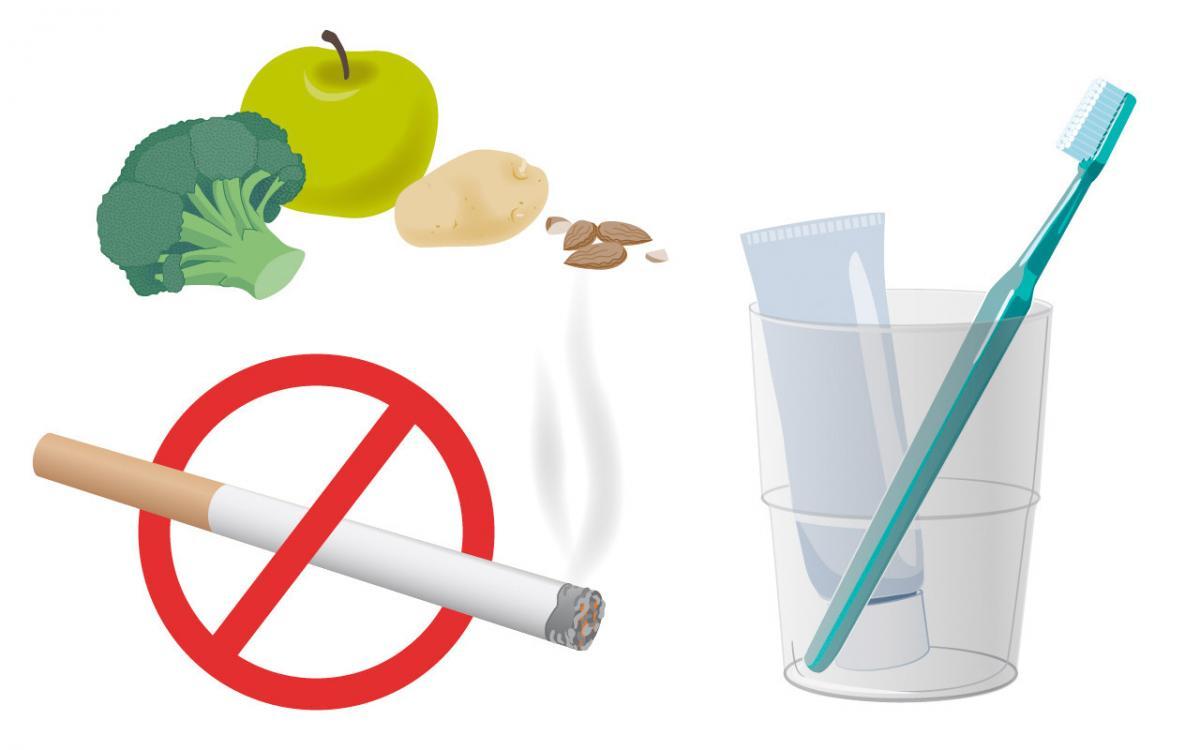
Optimal oral hygiene at home, regular checkups with professional teeth cleaning in the dental practice, and a healthy diet and quitting smoking are the best prevention of periodontitis.

Prevention of gingivitis is prevention of periodontitis

In addition to optimizing oral hygiene at home, quitting smoking and a good diet are also effective methods of preventing periodontitis.

More ...
Optimizing oral hygiene

The optimal oral hygiene varies from person to person. It is therefore very important to know your own method for preventing periodontitis.

More ...
Quitting smoking

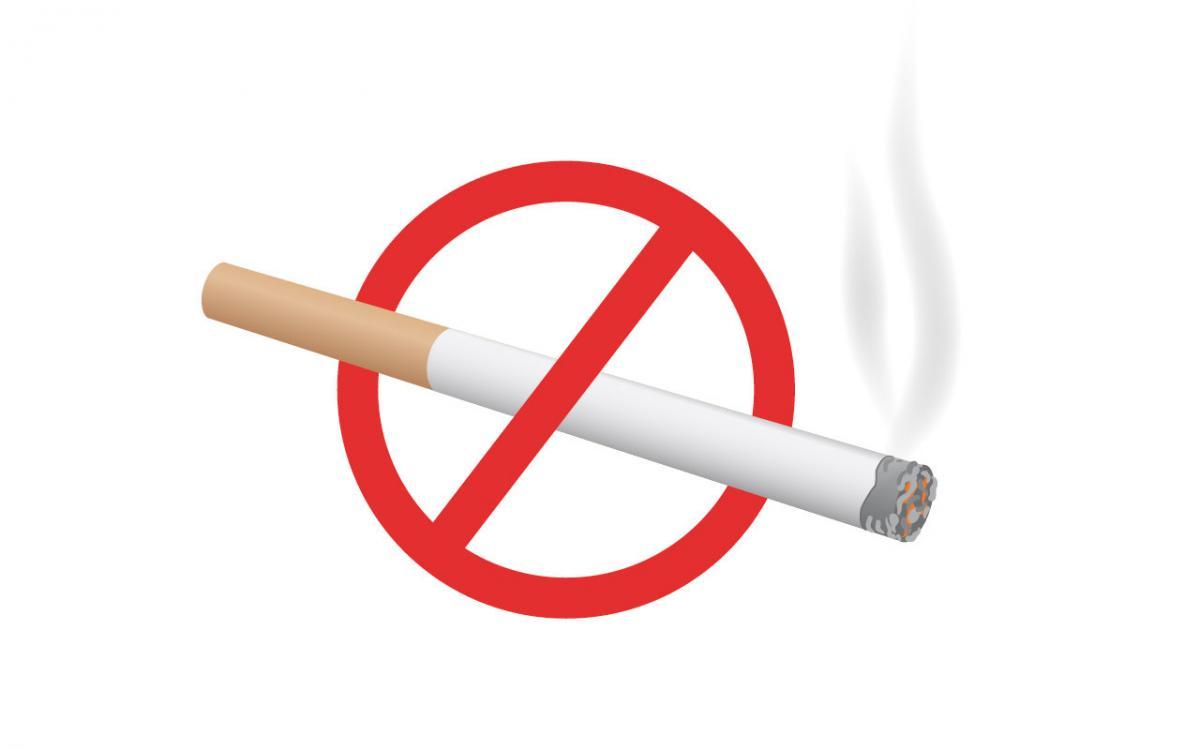
In addition to optimizing oral hygiene at home, quitting smoking is the most important measure for preventing gingivitis and periodontitis.

More ...
Healthy diet

A healthy balanced diet also has an impact on gum health.

More ...
Regular dental checkups

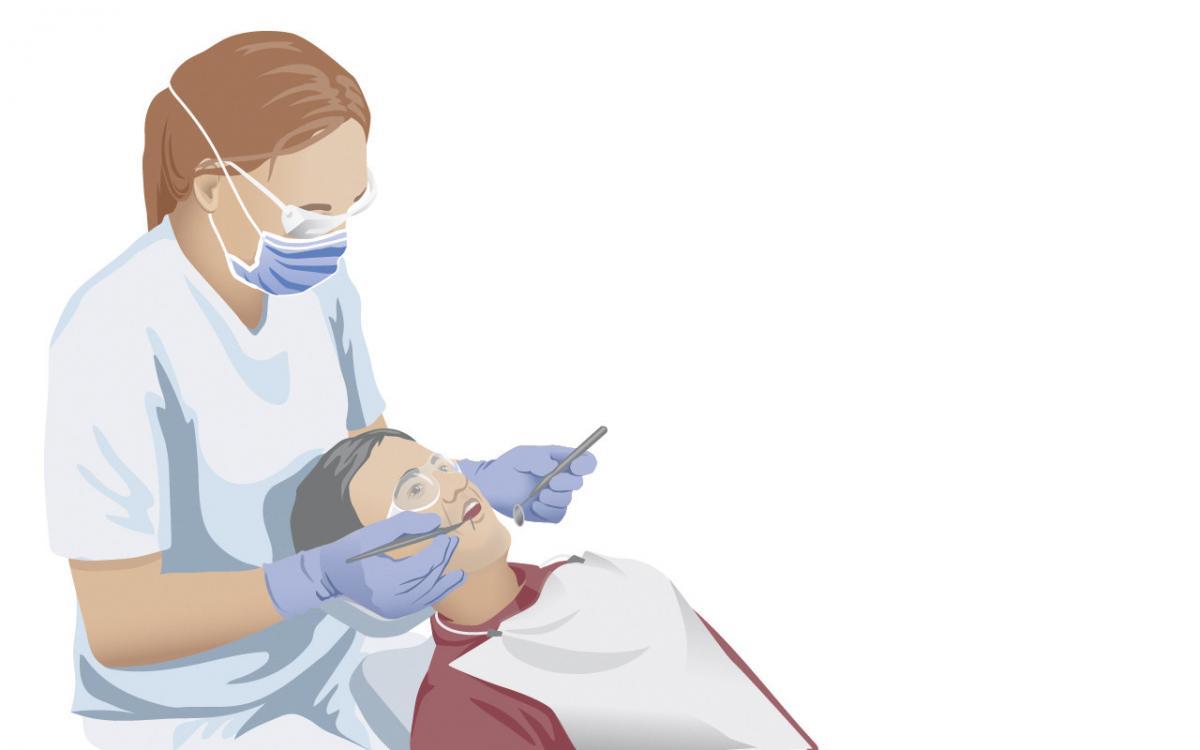
The signs of periodontitis can be detected early on in regular dental checkups.

More ...
Regular professional teeth cleaning

In addition to regular checkups, repeated professional teeth cleaning in the dental practice is one of the most important ways to prevent periodontitis.

More ...

Prevention of gingivitis is prevention of periodontitis

In addition to optimizing oral hygiene at home, quitting smoking and a good diet are also effective methods of preventing periodontitis.

Prevention of gingivitis is prevention of periodontitis

No gum inflammation (gingivitis) will develop if there is no bacteria plaque on the teeth and if there is no gingivitis, there will be no periodontitis. Continuous good oral hygiene at home, the regular removal of tartar in the dental practice, a healthy diet, and quitting smoking if applicable are the most important steps for preventing periodontitis.

In order to optimally prevent gingivitis as well as periodontitis, the gums should be examined regularly in the dental practice and any places where signs of inflammation or gum pockets are found should be treated promptly.
Optimizing oral hygiene

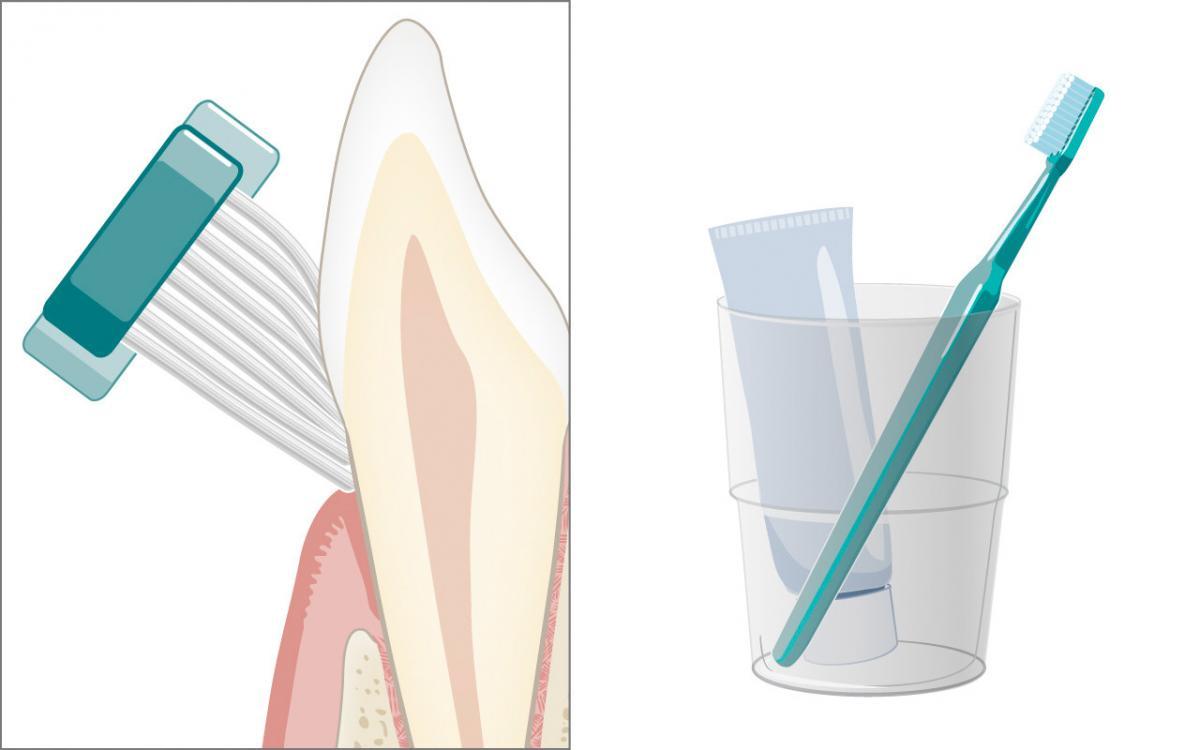
The optimal oral hygiene varies from person to person. It is therefore very important to know your own method for preventing periodontitis.

Optimizing oral hygiene

Regular oral hygiene practiced correctly is the best method of optimally removing dental plaque. This is the most important way to prevent gingivitis – and thus periodontitis as well.

Optimal oral hygiene at home should always be adapted to the individual. It can therefore vary widely from person to person. It is very important to know, learn, and regularly practice your own method for optimal oral hygiene.

Instructions can be given for optimal oral hygiene in the dental practice. One option for illustrating various techniques and aids is available on the internet at www.oralhygiene-instruction.com.

Quitting smoking

In addition to optimizing oral hygiene at home, quitting smoking is the most important measure for preventing gingivitis and periodontitis.

Quitting smoking

Ex-smokers have less loss of the structure holding their teeth in place and thus fewer gum pockets than smokers. After quitting smoking, the periodontium needs some time to recover from tobacco consumption. One year after quitting smoking, the severity of gum inflammation will be less pronounced and after 10 years, the teeth will no longer need to be extracted because of smoking.

Ex-smokers also respond to gum treatment considerably more positively and many surgical treatments that are often necessary can be carried out only on non-smokers or ex-smokers.

Healthy diet

A healthy balanced diet also has an impact on gum health.

Healthy diet

On the one hand, optimizing the diet to prevent diabetes also directly prevents the risk of developing periodontitis. Diabetics whose blood sugar is not managed have a considerably higher risk of developing periodontitis.

On the other hand, the reduction of foods rich in fats and carbohydrates can also strengthen the immune system, which can lead to a reduction of inflammation and thus to a better healing process.

Regular dental checkups

The signs of periodontitis can be detected early on in regular dental checkups.

Regular dental checkups

The annual checkup by the dentist makes it possible to provide professional intervention in case it is needed.

If periodontitis is detected early and the necessary treatment is started early, further loss of the structures holding the teeth in place can be successfully prevented.

The goal must remain to keep the own teeth until old age. “A checkup too many is better a treatment too little!”

Regular professional teeth cleaning

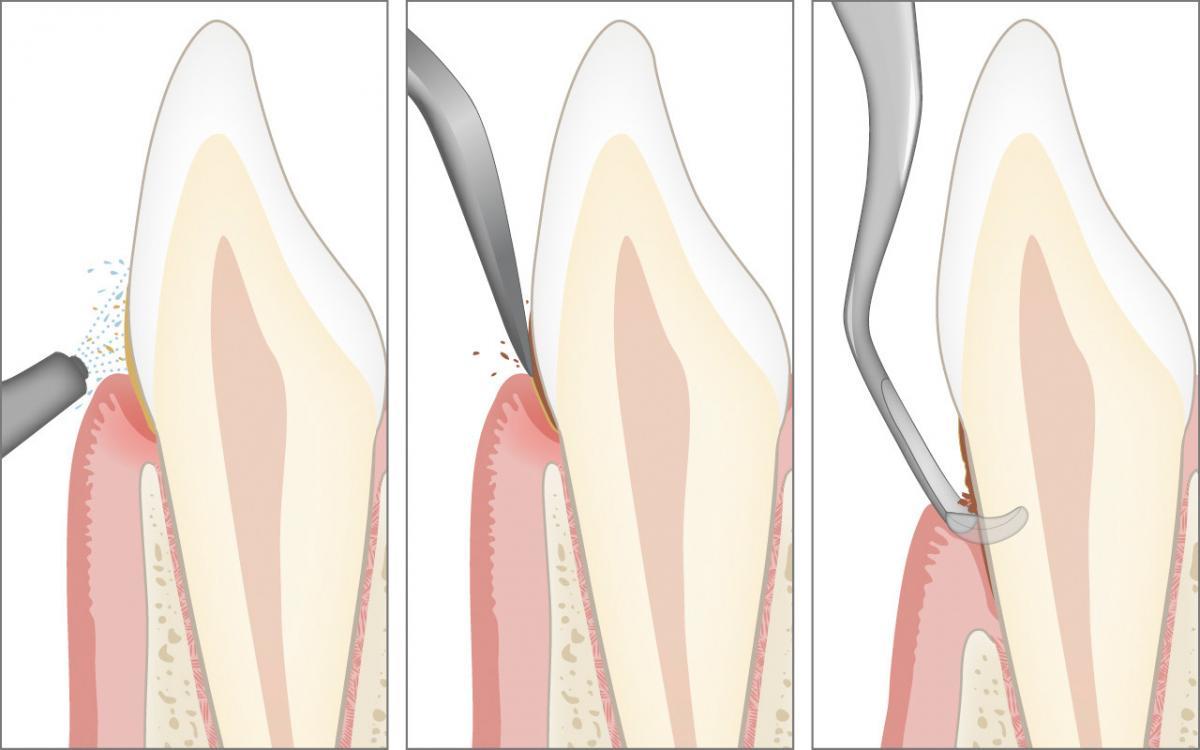
In addition to regular checkups, repeated professional teeth cleaning in the dental practice is one of the most important ways to prevent periodontitis.

Regular professional teeth cleaning

After teeth cleaning, the long-term success for many years is ensured only if patients practice optimal oral hygiene at home, thus every day preventing new bacterial plaque from forming and causing inflamed gums.

Continued professional care by the dental hygienist is also important for the optimal long-term success so that any recurring problems can be detected and remedied in time.

The intervals for these appointments with the dental hygienist are usually three, four, or six months. The frequency depends on the quality of oral hygiene, the extent of gum inflammation, and the presence of what are called residual gum pockets.

You can use all our content for your own productions while acknowledging the Creative Commons License:

Attribution-NonCommercial-ShareAlike 4.0
https://creativecommons.org/licenses/by-nc-sa/4.0/deed.en